The Indigenous Perspectives Symposium, taking place across campus Friday, Sept. 25, will begin a year of events celebrating the 30th anniversary of Northern Michigan University's Center for Native American Studies.
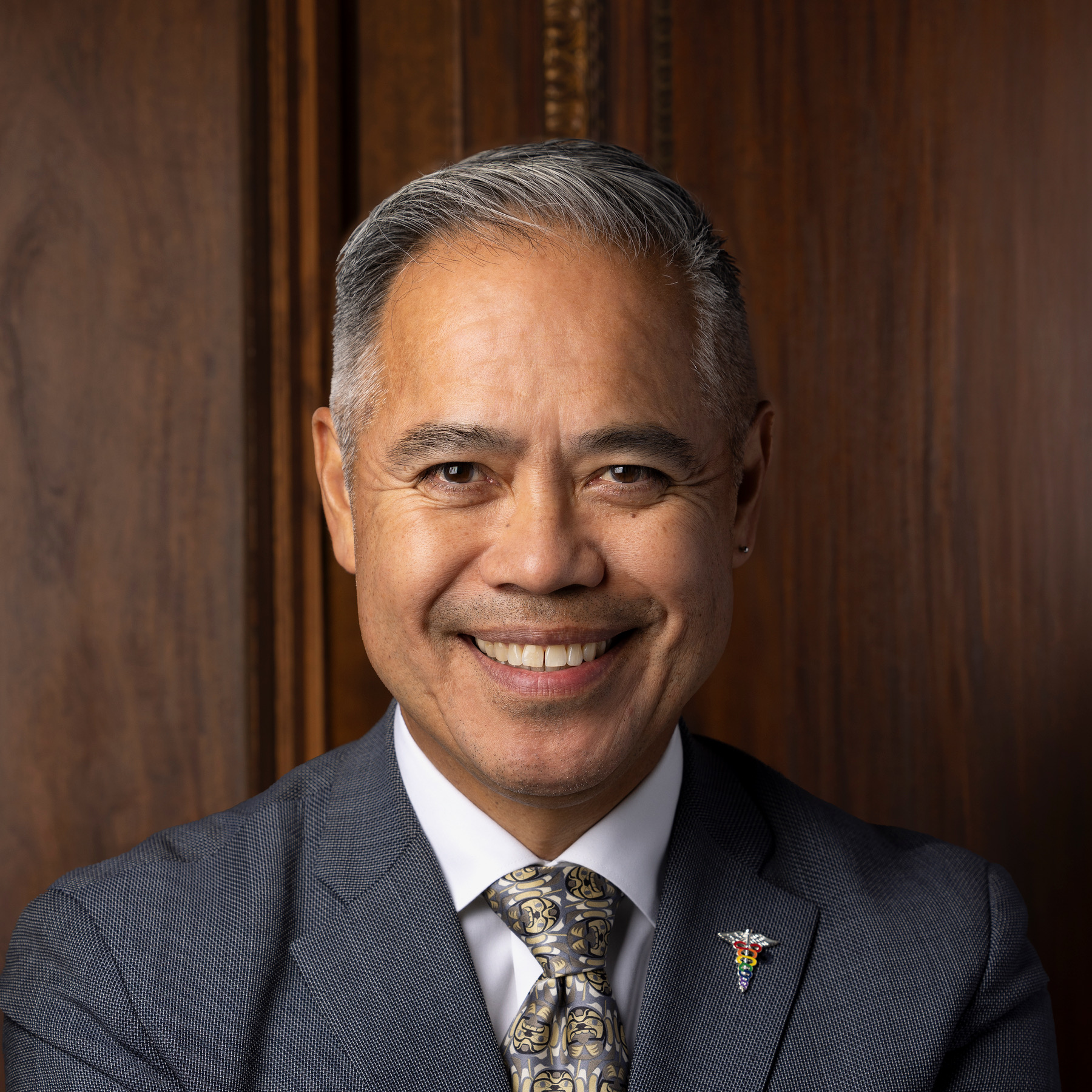
The one-day symposium on medicines is dedicated to exploring rich traditions, profound significance and the evolving future of Indigenous approaches to healing and wellbeing, and will feature a keynote address from Dr. Evan Tlesla Adams, a Coast Salish physician and actor from Tla'amin First Nation near Powell River, British Columbia, Canada. Adams is best known for his role as Thomas Builds-The-Fire in the film “Smoke Signals.” He is currently the Assessment Lead for the National Circle for Indigenous Medical Education in Canada.
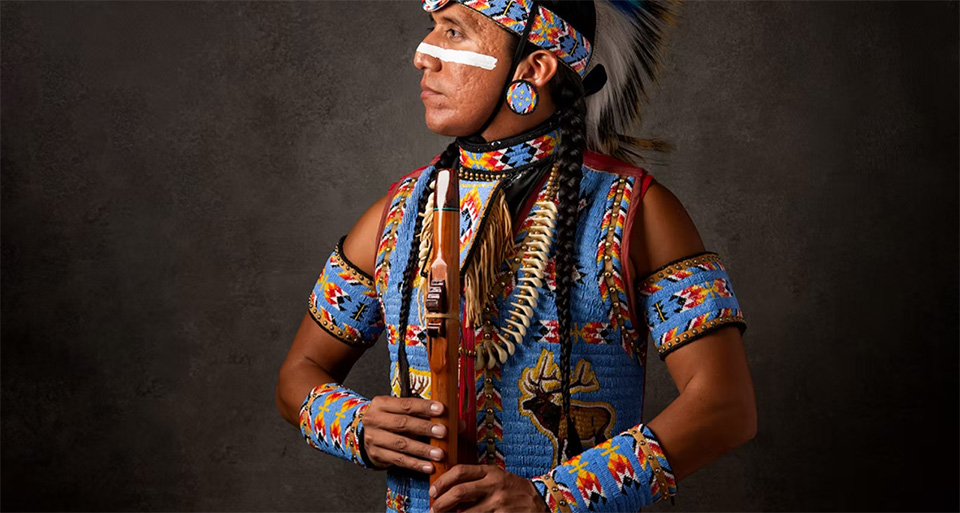
Morning sessions will be held in a variety of locations while afternoon sessions will take place in the Northern Center. For a full list of events, which include performances, workshops and panels, visit the Indigenous Perspectives Symposium website.
Throughout the year, NMU will recognize three decades of the center's work in advancing and fostering interdisciplinary education that centers Great Lakes Indigenous ways of knowing while preparing graduates to serve tribal nations, intertribal organizations and nonprofits throughout the region and beyond.
Established in 1996, the NMU Center for Native American Studies is home to Michigan's first and only bachelor's degree program solely dedicated to Native American Studies. Over the past 30 years, the center has become a welcoming community for students, faculty and tribal nation partners while fostering a deeper understanding of tribal nations' histories, cultures, sovereignty and contemporary issues.
Dr. April Lindala was an undergraduate student at NMU when the center began in 1996 under Dr. Dennis Tibbetts' leadership.
“Dr. Tibbetts sought to create a ‘teaching and research' center, but also recognized the need to create, as he put it, a ‘focal point for Native American students' on a university campus. He saw the center as a vehicle to both teach and empower students,” Lindala said.
Lindala was hired as the first and only Native American Admissions Counselor from 1998-2000, then served as director and department head from 2005-2019.
“The center has undergone growth and transformation in 30 years, going from offering the Native American Studies minor to now offering multiple academic programs at the associate and baccalaureate levels and contributing to a Master's degree in Education,” Lindala said. “With each step, I would like to think those of us who have been working throughout the years have kept true to Dr. Tibbetts' original vision.”
Tyler Dettloff is the current director of CNAS and an NMU alumnus.
“The Center for Native American Studies provides collaboration opportunities for students to make meaningful community connections,” Dettloff said. “Throughout the history of the center, talented students have had a place to practice respectful inquiry about and with Indigenous peoples and engage in Indigenous practices, scholarship and advocacy – an enduring legacy of providing a safe place for students and community to gather and engage with the intersection between academic rigor and Indigenous wisdom.”
Native American Studies graduates pursue careers with tribal governments, departments, enterprises, nonprofits, educational institutions, cultural organizations and other employers that value knowledge of Native American histories, cultures and tribal nation sovereignty. Through community partnerships, research collaborations, experiential learning opportunities and cultural programming, the center continues to connect academic learning with real-world impact.
The center also contributes to Northern's strategic priorities by strengthening Indigenous perspectives across campus and expanding pathways for student success. Beyond the classroom, CNAS serves as a hub for cultural engagement and interdisciplinary programming through workshops, research initiatives and public events that welcome participants from across campus and the broader community.
The 30th anniversary celebration will happen throughout the 2026-27 academic year with a series of educational and cultural events. Scheduled events can be found on the center's website, with additional events and anniversary activities to be announced throughout the year.
For 30 years, the Center for Native American Studies has provided a space where students can explore Indigenous knowledge, engage in respectful dialogue and build meaningful relationships across cultures. As the center enters its fourth decade, it remains committed to empowering students and preparing graduates to create positive change in their communities and beyond.
Visit nmu.edu/nativeamericanstudies for more information on NMU's Center for Native American Studies and upcoming events. Visit nmu.edu/nativeamericanstudies/history-center for a detailed history of the center.